
- Group
- Working
- Height
- Males 24-27 in, females 22-25 in
- Weight
- About 80-135 lb (approximate, per AKC article)
- Temperament
- Calm, confident and courageous; naturally protective
At a glance
- A large Working Group breed 1.
- The standard describes a calm, confident and courageous dog with a self-assured aloofness and a natural desire to protect home and family 1.
- Early socialization and consistent, reward-based training matter.
Overview
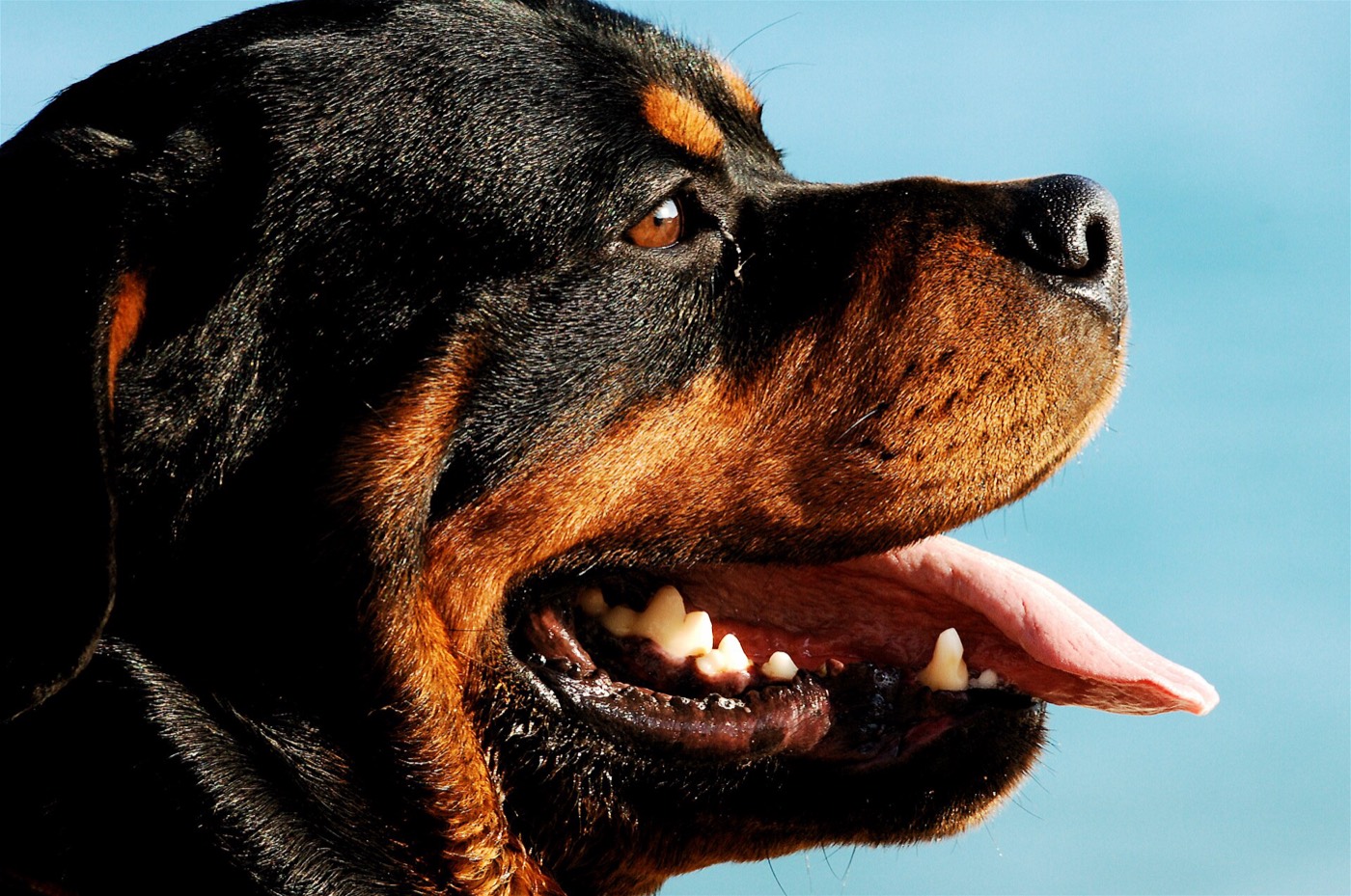
The Rottweiler is a member of the AKC’s Working Group. The AKC added the breed to its stud book in 1931, and the breed standard was first published in 1935 and revised in 1971 and 1990 3.
Size
The standard calls for males at 24 to 27 inches and females at 22 to 25 inches at the withers, with the preferred size mid-range for each sex 1. The AKC’s breed guide gives a general weight of about 80 to 135 pounds, but the standard itself sets no weight range, so treat that figure as approximate 2.
Temperament
The breed standard describes the Rottweiler as basically a calm, confident and courageous dog, with a self-assured aloofness that does not lend itself to immediate and indiscriminate friendships, and an inherent desire to protect home and family 1. AKC advice adds that personality varies from dog to dog, that the breed can be territorial, and that proper training can help discourage the negative aspects of this trait 2.
A strong, protective dog needs careful, positive socialization and consistent training from puppyhood. See our reward-based training handbook, which explains why veterinary behaviorists recommend rewards over punishment.
Is this breed right for you?
A Rottweiler may suit you if you want a loyal, confident dog and can commit to early socialization, training and daily exercise. It may not suit you if you want a dog that is instantly friendly with every stranger, or if you cannot manage a large, strong dog safely.
Ask any breeder about the health tests recommended for the breed (see our guide to inherited diseases in popular dog breeds).
Sources
- Official Standard of the Rottweiler. American Kennel Club. Open source
- Is the Rottweiler the right breed for your lifestyle?. American Kennel Club. Open source
- Rottweiler history: where the breed originated. American Kennel Club. Open source