
- Group
- Sporting
- Height
- Males 22.5-24.5 in, females 21.5-23.5 in
- Weight
- Males 65-80 lb, females 55-70 lb
- Typical lifespan
- 11-13 years (AKC)
- Temperament
- Affectionate, outgoing, friendly and energetic
At a glance
- A medium-large Sporting Group dog, described as affectionate, outgoing, friendly and energetic 1.
- Typically friendly with strangers and other dogs, but not a strong guard dog 1,2.
- Needs plenty of daily exercise, training and socialization 1.
Overview
The Labrador Retriever is a member of the AKC’s Sporting Group 1. Its ancestors came from Newfoundland, not Labrador, and the breed was shaped in Britain. Read the full story in our Labrador fun facts.
Size and coat
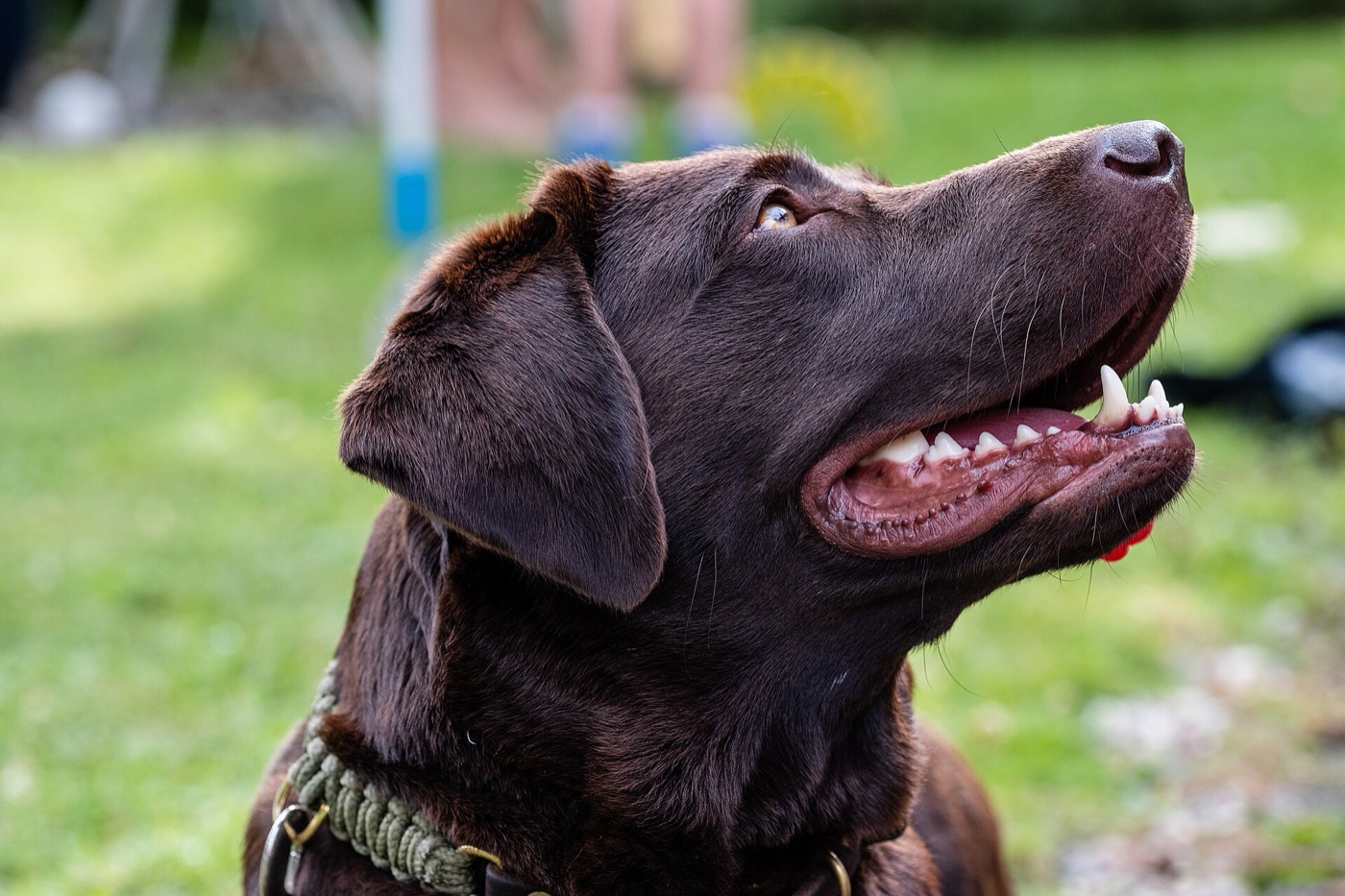
The AKC lists males at 22.5 to 24.5 inches and 65 to 80 pounds, and females at 21.5 to 23.5 inches and 55 to 70 pounds 1. The breed standard gives the same weights for dogs in working condition 3. The coat is a dense, short double coat that comes in yellow, black and chocolate 1.
Temperament
The AKC describes Labs as highly affectionate, outgoing, friendly and energetic 1. The breed standard describes the ideal disposition as kindly, outgoing and eager to please 3. Labs tend to get along well with strangers and other dogs, but the AKC notes that they are vigilant without strong guardian instincts, so they are not the best choice if you want a watchdog 2.
Exercise and training
The AKC notes that Labs need plenty of daily exercise, and that training and socialization are important 1,2. See our guides to exercise and mental stimulation and reward-based training.
Weight and feeding
A food-motivated, active dog does best at a lean body weight. Our guide to dog nutrition explains how to check body condition and feed the right amount.
Health considerations
Ask any breeder which health tests your breed’s national club recommends, and ask to see the actual results. Our guide to inherited diseases in popular dog breeds explains how to read them.
Is this breed right for you?
A Lab may suit you if you want a friendly, active family dog and can provide daily exercise and training. It may not suit you if you want a guard dog, or if you cannot give a high-energy dog enough activity.
Sources
- Labrador Retriever dog breed information. American Kennel Club. Open source
- Is the Labrador Retriever the right dog breed for you?. American Kennel Club. Open source
- Official Standard of the Labrador Retriever. American Kennel Club. Open source