
- Group
- Herding
- Height
- Males 24-26 in, females 22-24 in
- Weight
- 50-90 lb
- Temperament
- Courageous, confident and smart; reserved with strangers
At a glance
- A large, intelligent working breed in the AKC’s Herding Group 1,3.
- Described as courageous, confident and smart, with some natural reserve toward strangers 1,3.
- Needs early socialization, training and a job to do, not just a yard.
Overview
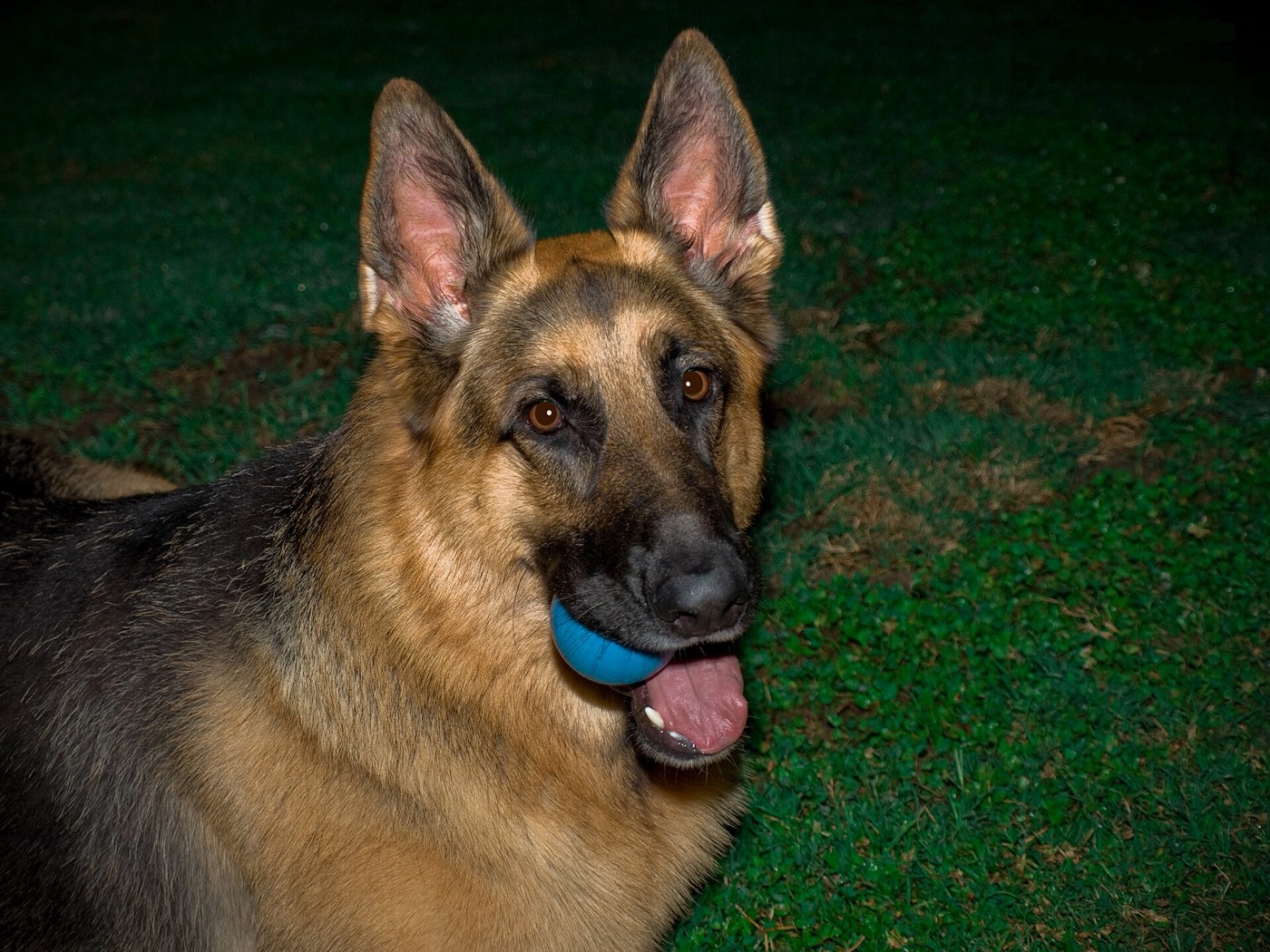
The German Shepherd Dog belongs to the AKC’s Herding Group. It was developed to herd sheep, and the AKC notes that those instincts remain strong today 3. The breed was shaped from German herding dogs starting in 1899 4. For the surprising details of that history, see our German Shepherd fun facts.
Size
The official breed standard calls for males at 24 to 26 inches at the withers and females at 22 to 24 inches 1. The AKC’s breed weight chart lists the breed at 50 to 90 pounds, with males generally heavier than females 2.
Temperament
The AKC describes the German Shepherd as courageous, confident and smart 3. The breed standard calls for a personality that is direct and fearless without being hostile, with some reserve toward strangers 1. The AKC adds that the breed is by nature a steadfast guardian and a gentle family pet 3.
That reserve is worth planning for. A dog that is naturally watchful around strangers benefits from careful, positive socialization from puppyhood. See our reward-based training handbook.
Exercise and mental needs
A herding breed with strong working instincts does best with regular exercise and real mental work, such as training, scent games and puzzle feeding. Our guide to exercise and mental stimulation explains how to build a routine without overdoing it, especially for growing puppies of large breeds.
Health considerations
Like many large breeds, German Shepherds can be affected by joint conditions such as hip dysplasia, and degenerative myelopathy has been reported in the breed. Responsible breeders health-test their breeding dogs. Our guide to inherited diseases in popular dog breeds explains what the tests mean and what to ask a breeder.
Is this breed right for you?
A German Shepherd may suit you if you want an active, trainable companion and have time for daily exercise, training and socialization. It may not suit you if you want a dog that is relaxed with every stranger, or if you are away for long hours with little activity planned.
Always meet the parents, ask about health testing, and talk to your vet about what suits your household.
Sources
- Official Standard of the German Shepherd Dog. American Kennel Club. Open source
- Breed weight chart. American Kennel Club. Open source
- Is a German Shepherd Dog the right breed for your lifestyle?. American Kennel Club. Open source
- German Shepherd Dog history. American Kennel Club. Open source